 Alerts
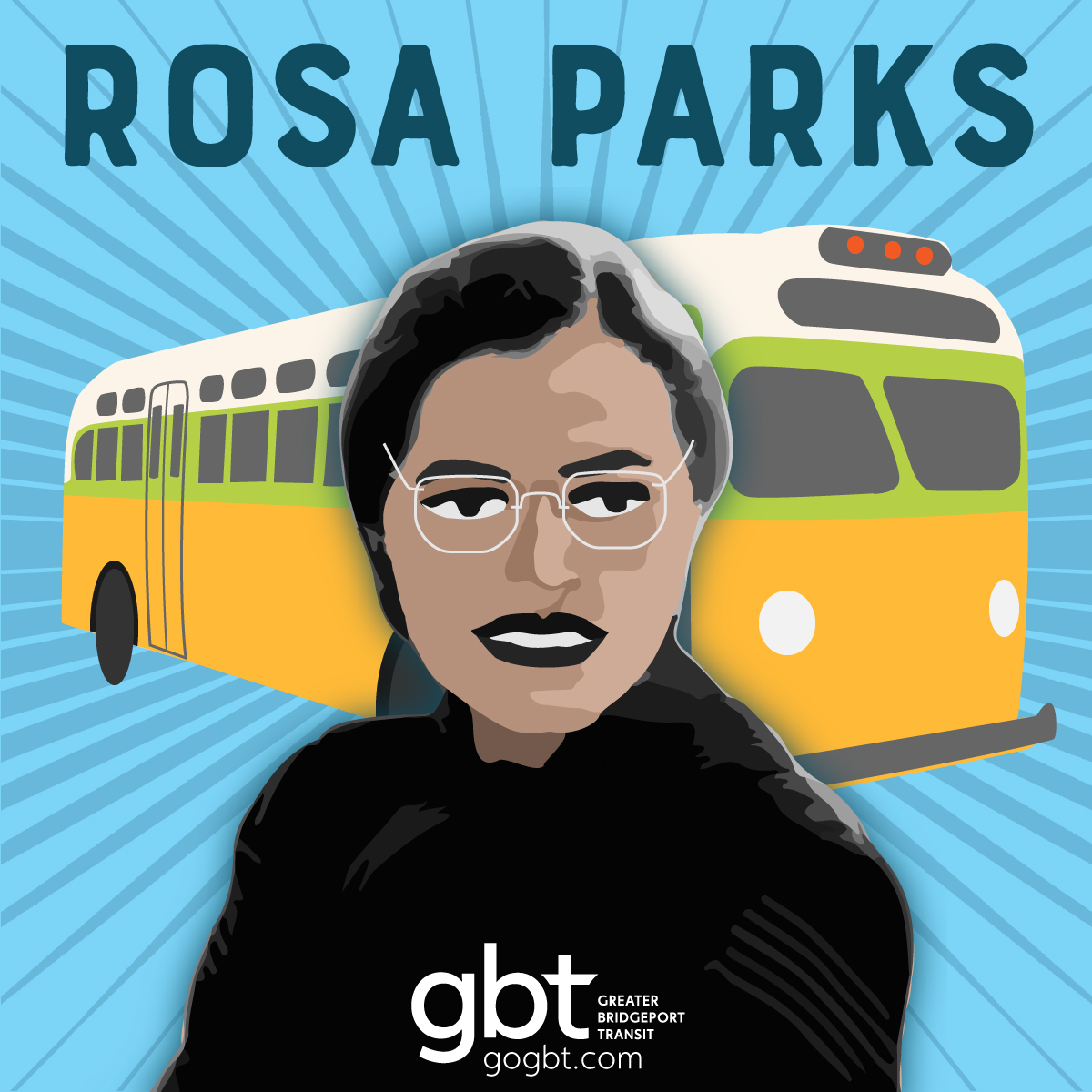
A Seat for Rosa Parks
Today is Transit Equity Day, in honor of the late Rosa Parks who was born in Alabama on February 4, 1913. There’s a seat on every bus today with a tribute poster to her legacy.
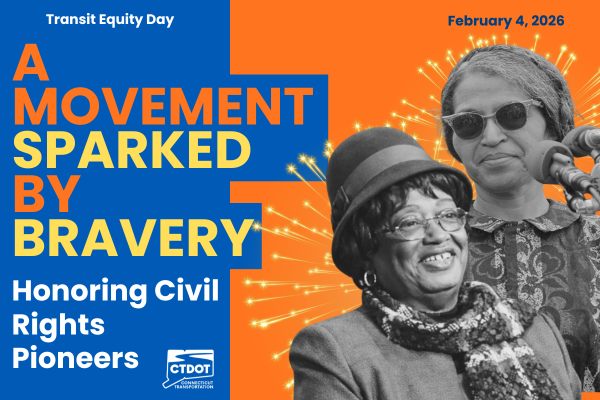
When Rosa Parks refused to give up her seat on her afternoon bus commute on December 1, 1955, she ignited not just the 381-day Montgomery bus boycott, but sparked a movement which led to the desegregation of bus systems throughout the country, opening up the road for bus equity across the nation.
I would like to be known as a person who is concerned about freedom and equality and justice and prosperity for all people.
―Rosa Parks
GBT – Moving Communities Forward
Every day, an average of 12,000 people board GBT buses to get where they need to go. But these rides represent far more than simple transportation—they’re lifelines that connect communities, power local economies, and open doors to opportunity.
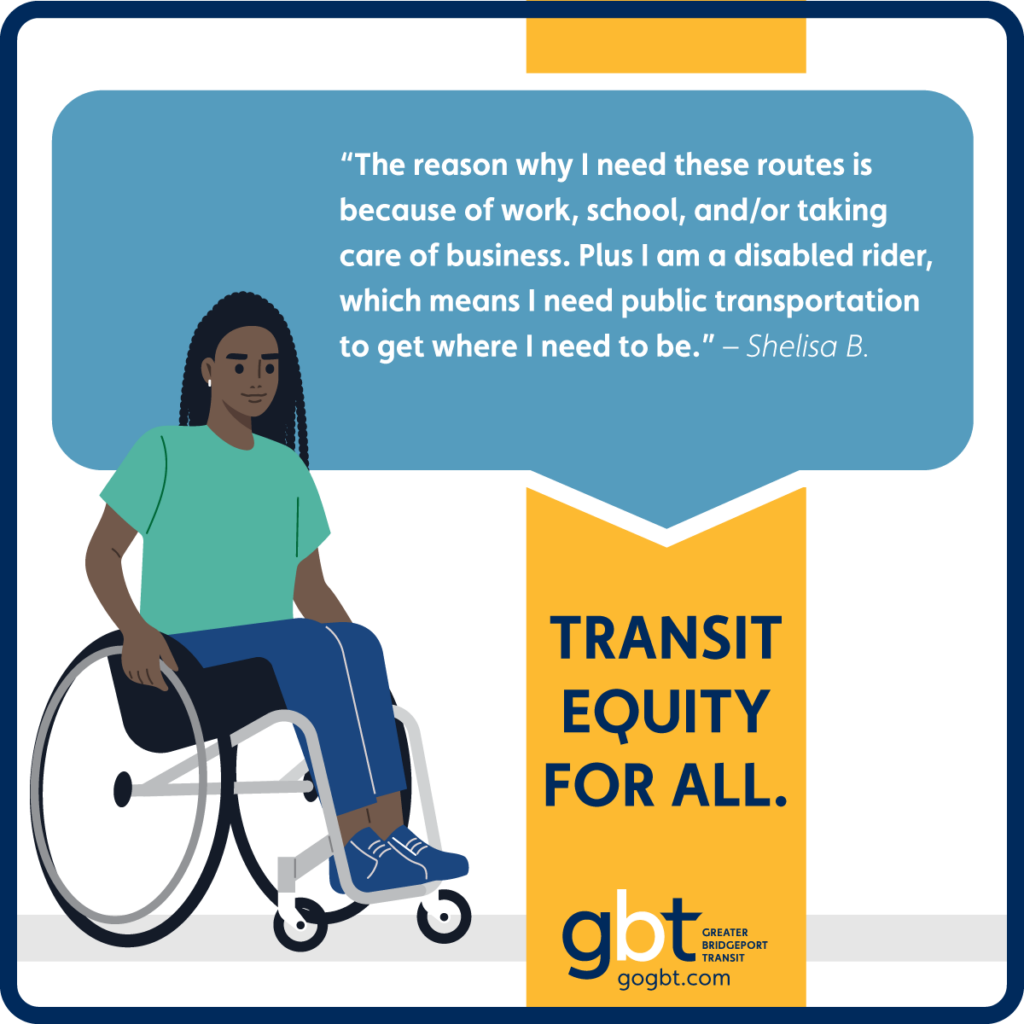
Bridging the Distance
Public buses create vital connections between neighborhoods, linking residential areas to job centers, schools, hospitals, and essential services. For many communities, especially those underserved by other transportation options, bus routes serve as the circulatory system that keeps daily life flowing.
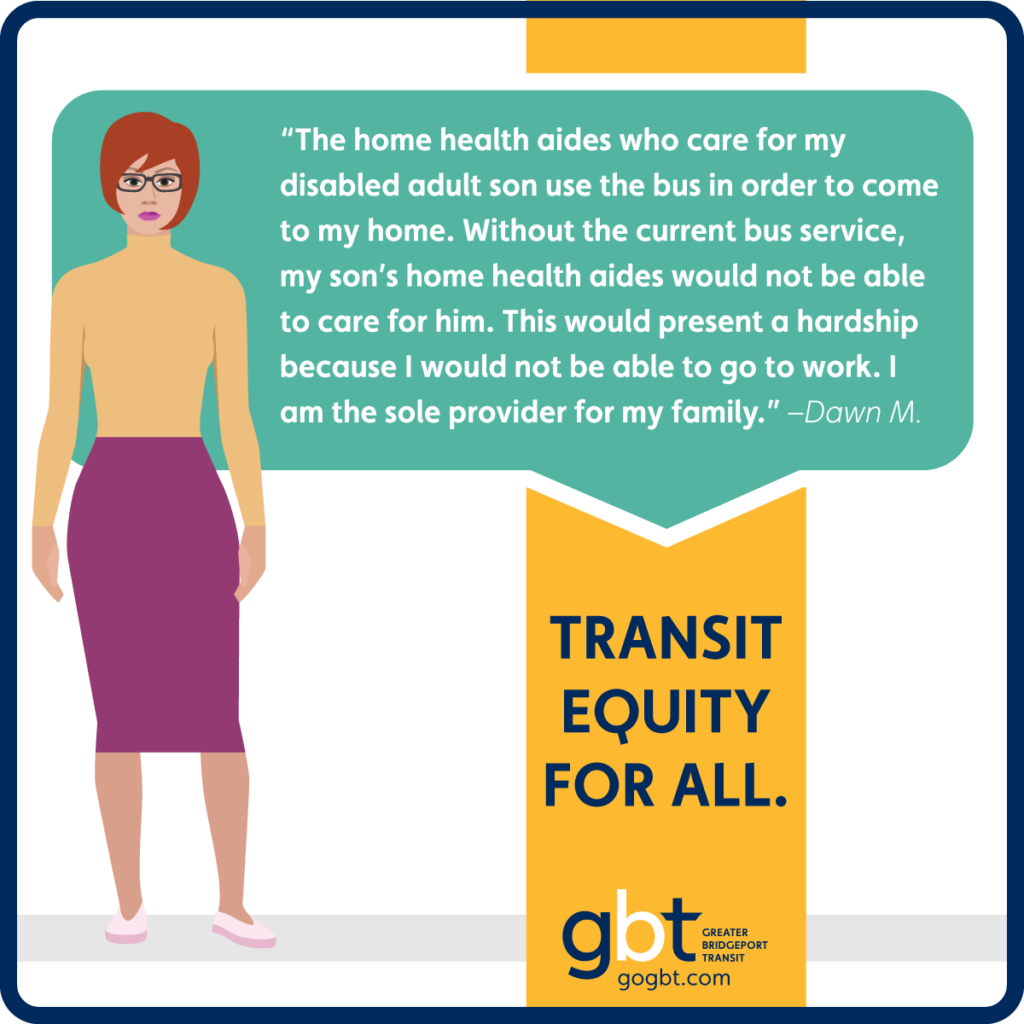
An Economic Engine
Transit systems are powerful economic drivers. Workers can access jobs beyond walking distance, expanding employment opportunities for both employees and employers. Businesses along transit corridors benefit from increased foot traffic and a broader customer base. Studies consistently show that communities with robust public transit see higher property values, more business development, and greater economic mobility. Every dollar invested in public transportation generates approximately four dollars in economic returns through increased productivity, job access, and reduced congestion costs.
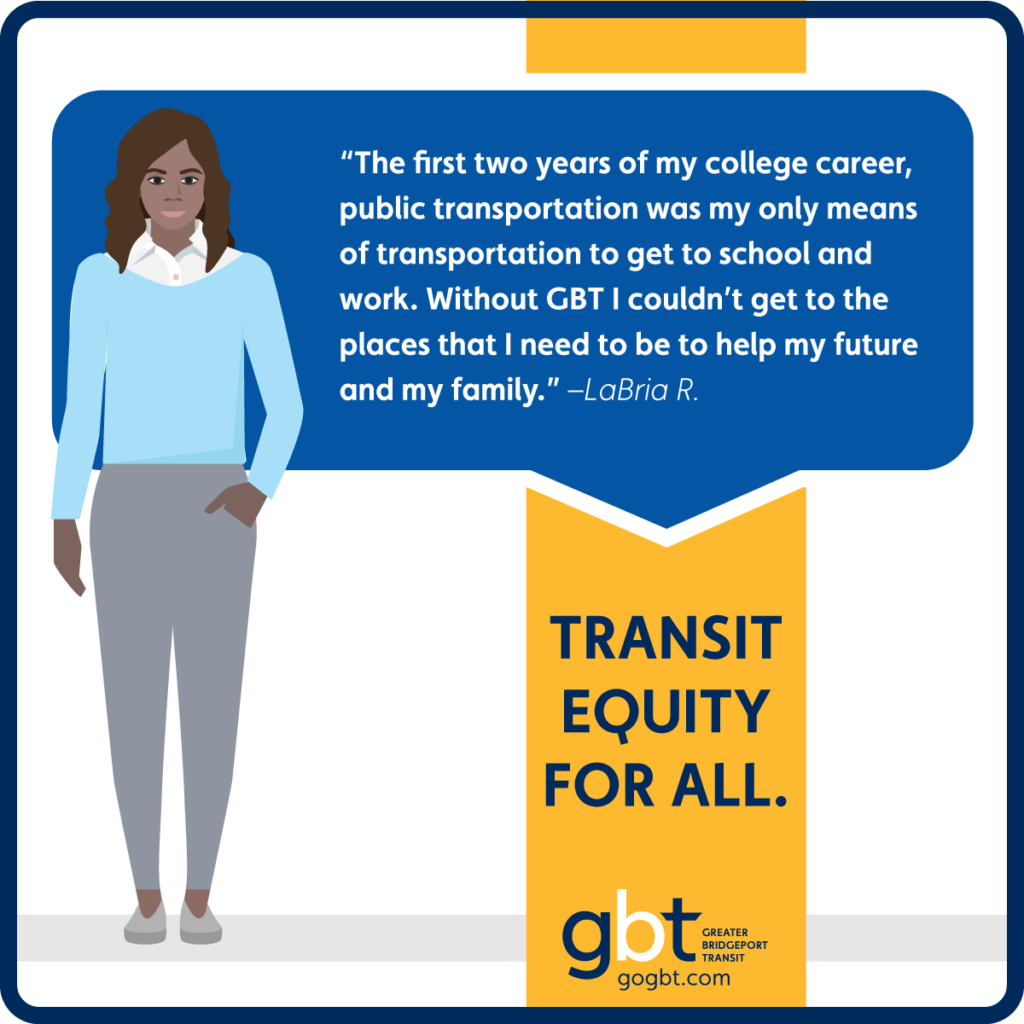
Opening Pathways to Advancement
Reliable bus service creates pathways to advancement that might otherwise remain closed. A student can reach community college classes. A parent can get to a better-paying job across town. People can make it to job interviews, medical appointments, or training programs that build new skills. Buses aren’t just convenient—they’re transformative, turning geographic barriers into manageable commutes and opening access to education, healthcare, and economic opportunity.
“Public buses don’t just move people from place to place; they move entire communities toward greater possibility.”
―Steven DeMichele, GBT CEO
Newsletter Signup
Like what you see? Signup for our newsletter!